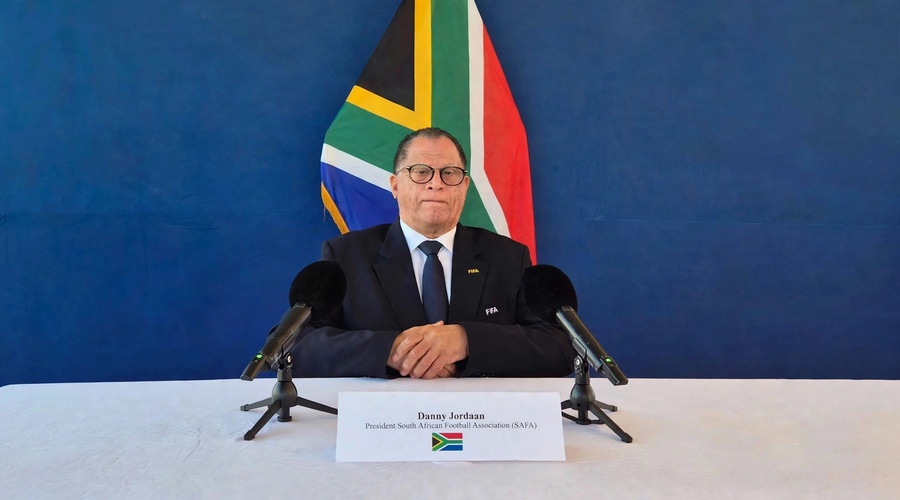
South African football will continue under the leadership of Dr. Danny Jordaan after he was re-elected as president of the South African Football Association (SAFA) for a fourth consecutive term.
Jordaan secured a decisive victory over AmaZulu FC owner and businessman Sandile Zungu at the SAFA Elective Congress held at Vodacom World in Midrand.
The incumbent received 157 votes, while Zungu finished with 82 votes, handing Jordaan another mandate to lead the country’s football governing body through to 2030.
A High-Stakes Election
The build-up to the 2026 SAFA elections was marked by intense campaigning and debate around the future direction of South African football.
Governance, financial sustainability, administration, sponsorship and grassroots development were among the key issues that featured prominently during the campaign.
Zungu entered the presidential race on a reform-focused platform, outlining plans to modernise SAFA’s operations, strengthen relationships with corporate sponsors and place greater emphasis on grassroots and school football.
Jordaan’s campaign, meanwhile, highlighted continuity and the achievements recorded by South African national teams during his time in office.
The election period was also accompanied by controversy, including concerns surrounding security, delegate credentials and the participation of several regional associations.
Despite the tensions surrounding the congress, delegates ultimately handed Jordaan a clear mandate to continue leading SAFA.
Jordaan Highlights Achievements
Following his re-election, Jordaan defended his administration’s record and reflected on developments in South African football during his previous terms.
Among the milestones associated with his tenure are Banyana Banyana’s historic Women’s Africa Cup of Nations triumph in 2022, progress within South Africa’s youth national teams and increased representation on the international stage.
The women’s national team’s continental success represented one of the most significant achievements in South African football in recent years, while developments within the youth structures have also provided opportunities for emerging talent.
Jordaan now begins another term with several challenges still facing the country’s football administration.
Financial sustainability, governance concerns, administrative efficiency and ongoing legal matters are expected to remain important issues during the next phase of his presidency.
Zungu Accepts Defeat
Zungu accepted the election result and congratulated Jordaan following the announcement.
While he raised concerns about aspects of the pre-election credential process, Zungu indicated that he would not pursue legal action to challenge the outcome.
“When my competitor has beaten me, to use [derogatory] words may sound like sour grapes. I congratulated him. It’s for South Africans to choose whether this outcome is what they wanted,” Zungu told reporters after the congress.
His response brought the presidential contest to a close, with attention now turning towards the work ahead for the newly elected SAFA leadership.
What Lies Ahead for SAFA?
With the election concluded, the focus shifts from campaigning back to the development and administration of South African football.
Jordaan’s fourth term will place renewed attention on how SAFA addresses concerns around governance, financial management and administrative efficiency while continuing to support the development of football across the country.
Grassroots football, school programmes and the relationship between SAFA and professional football structures will also remain important areas for stakeholders.
For South African football supporters, the next four years will provide an opportunity to assess how the association’s leadership responds to these challenges and delivers on its responsibilities to the broader football community.
By 2030, Jordaan’s fourth term will ultimately be judged by the decisions made, reforms implemented and progress achieved across South African football.