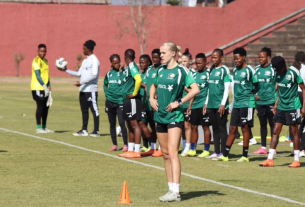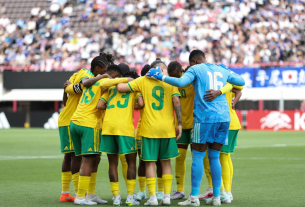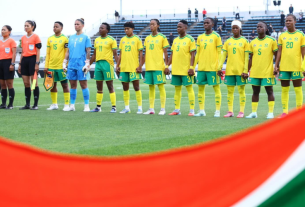
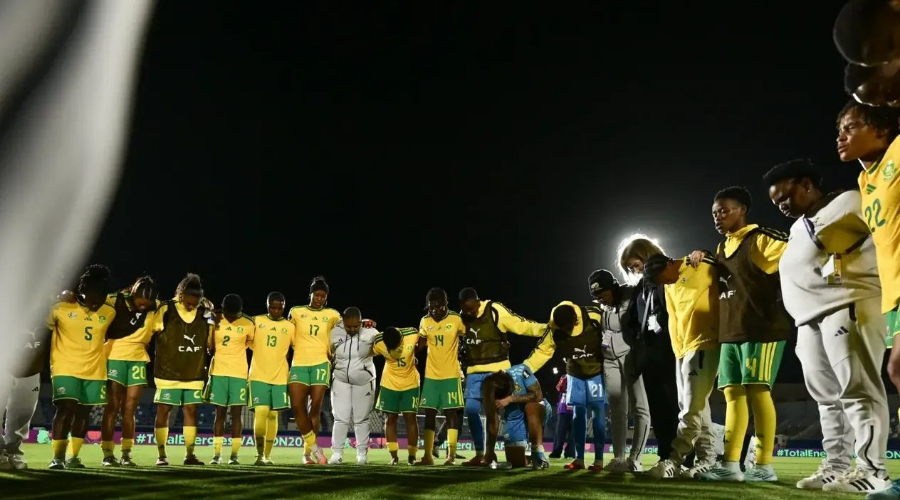
The journey of Sasol Banyana Banyana at the 2026 Women’s Africa Cup of Nations (WAFCON) in Morocco ended in disappointment, but their campaign revealed a much bigger story than a single tournament result.
The reigning African champions entered the competition with high expectations, determined to defend their continental crown and secure a place at the next FIFA Women’s World Cup through automatic qualification. Despite facing difficult opposition, Dr. Desiree Ellis’ side showed resilience during the group stages, including a hard-fought victory over familiar rivals Nigeria.
However, their title defence came to an end in the quarter-finals after a narrow defeat against tournament hosts Morocco. The result closed the door on automatic World Cup qualification, forcing Banyana Banyana to take the longer route through the inter-confederation play-offs.
Yet, beyond the tactical battles, missed opportunities, and heartbreak on the field, the tournament has reignited a deeper national conversation about the state of women’s football in South Africa.
The fight for success has never been limited to what happens for 90 minutes on the pitch. It is also a fight for investment, recognition, equal opportunities, and a sustainable future for the women who continue to carry the hopes of a nation.
The Uneven Playing Field: Addressing Long-Standing Inequalities
While supporters often focus on results, rankings, and trophies, a major report by the Commission for Gender Equality (CGE) highlighted the challenges that continue to affect women footballers away from the spotlight.
The findings painted a concerning picture of persistent inequalities within South African football, with women players still facing obstacles that limit their professional growth and development.
Among the major concerns raised were:
- Unequal Resource Allocation: Women’s football continues to receive significantly fewer resources compared to the men’s game, affecting player development, facilities, and overall competitiveness.
- Limited Commercial Support: Corporate investment and sponsorship opportunities remain considerably lower for women’s teams despite the growing popularity and success of Banyana Banyana.
- Financial Uncertainty: Concerns around payment structures, contracts, and financial security continue to affect players striving to build sustainable careers.
- Operational Challenges: Logistical issues, including travel, preparation conditions, and access to quality infrastructure, remain obstacles in the professionalisation journey.
These concerns have also been discussed during parliamentary portfolio committee engagements, where questions have been raised about the differences in funding, support structures, and media coverage between Bafana Bafana and Banyana Banyana.
Building Momentum: The Push for Investment and Reform
The growing spotlight on gender inequality in sport has created renewed pressure for meaningful change.
Government and corporate stakeholders have increasingly acknowledged the need to accelerate investment into women’s sport, with Minister of Sport, Arts and Culture Gayton McKenzie responding to calls for greater support by pledging R100 million towards the development and upliftment of women’s sport in South Africa.
While financial commitments represent an important step, the challenge now lies in transforming promises into long-term programmes that create lasting opportunities for female athletes.
Beyond funding, leadership platforms have also become important spaces for advocacy. Events such as the Standard Bank Top Women Conference have provided opportunities for influential figures like Coach Desiree Ellis to highlight the importance of economic inclusion, leadership development, and sustainable pathways for women in sport across Africa.
The Road Ahead: Banyana Banyana’s World Cup Dream Continues
Despite the disappointment in Morocco, Banyana Banyana’s competitive ambitions remain alive.
The failure to secure automatic qualification is undoubtedly a setback, but the inter-confederation play-offs scheduled for November 2026 provide another opportunity to reach the FIFA Women’s World Cup stage.
For Coach Ellis and her technical team, the coming months will be crucial. The focus will be on strengthening squad depth, improving tactical flexibility, and preparing players for the pressure of another high-stakes qualification battle.
Upcoming fixtures, including Olympic qualification encounters against Madagascar in October, will provide valuable opportunities to assess the squad and continue building towards future challenges.
More Than Football: A Battle for Recognition and Equality
Banyana Banyana’s story has always been about more than victories and trophies. Their success has helped inspire a generation, challenge stereotypes, and prove that South African women’s football belongs on the biggest stages.
But for the next generation of stars to thrive, success on the pitch must be matched by progress off it.
As Banyana Banyana continue their pursuit of World Cup qualification, the hope is that the structures supporting them will finally reflect the excellence, commitment, and achievements of Africa’s champions.
The future of women’s football in South Africa depends not only on talented players and passionate coaches, but also on a football ecosystem willing to invest, support, and treat the women’s game with the respect it deserves.