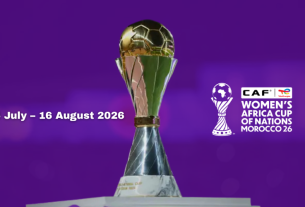
The Women’s Africa Cup of Nations (WAFCON) has officially entered a new era of growth, recognition, and global influence. The expanded 2026 tournament in Morocco represented far more than a continental championship; it became a defining moment in the evolution of women’s football across Africa.
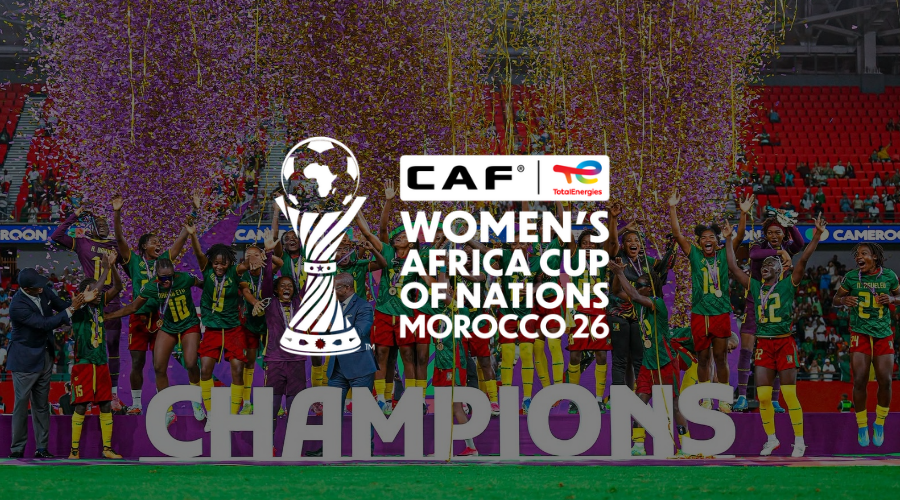
From the electrifying performances on the pitch to the unprecedented levels of media attention surrounding the competition, WAFCON 2026 demonstrated the immense potential of the women’s game when provided with the right platform. The tournament not only crowned a historic champion in Cameroon but also reshaped perceptions around the commercial value, competitive quality, and global appeal of African women’s football.
As football analysts and digital publishers reflect on the landmark event hosted across Rabat, Casablanca, and Fez, one thing has become clear: WAFCON 2026 was a turning point for the sport.
1. The 16-Team Expansion: A New Era of Continental Competition
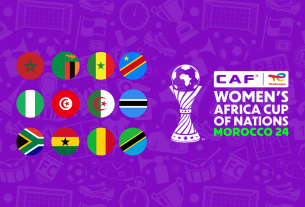
For many years, WAFCON was dominated by a small group of established football nations, with limited opportunities for emerging teams to compete on Africa’s biggest stage. The expansion to a 16-team format changed that dynamic completely, creating a more inclusive and competitive tournament structure.
A Wider Football Landscape
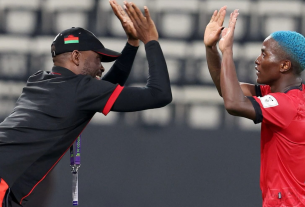
The expanded format opened the door for new footballing stories. Emerging nations such as Malawi captured the hearts of supporters with a remarkable run to the final, proving that investment in women’s football development beyond traditional powerhouses is beginning to deliver results.
The rise of new contenders added fresh excitement to the competition and highlighted the growing depth of talent across the continent.
More Competitive Group Stages
With four groups of four teams, the tournament delivered greater tactical diversity and unpredictable encounters. North African teams showcased organisation and defensive discipline, West African nations brought creativity and attacking intensity, while East and Southern African sides displayed resilience and technical improvement.
Every match carried significance, with teams fighting for qualification until the final whistle and reducing the gap between Africa’s established giants and emerging challengers.
2. The Broadcast Revolution and Digital Growth
Modern football is driven not only by what happens on the field but also by how fans experience the game. WAFCON 2026 marked a major breakthrough in broadcast quality and digital storytelling, bringing African women’s football closer to audiences around the world.
A Multi-Platform Viewing Experience
Through improved broadcast partnerships and stronger digital platforms, supporters across Africa and the diaspora gained unprecedented access to matches, analysis, highlights, and behind-the-scenes content.
High-quality productions, tactical discussions, player features, and real-time social media engagement helped transform WAFCON from a regional competition into a global sporting event.
Building Stronger Player Narratives
Media coverage also shifted from simply reporting match results to telling the stories behind the athletes. Daily features on players’ journeys, leadership roles, challenges, and achievements helped supporters connect with the personalities driving the growth of the women’s game.
This deeper storytelling created stronger fan relationships and elevated players into continental sporting icons.
3. Commercial Growth and Corporate Investment
The increased visibility of WAFCON 2026 created a powerful commercial opportunity. Brands, sponsors, and football organisations recognised that African women’s football represents one of the continent’s fastest-growing sporting markets.
A Magnet for Global Brands
The popularity of stars from teams such as Banyana Banyana, the Super Falcons, and the Atlas Lionesses attracted greater corporate interest. Sponsors increasingly viewed women’s football as a platform capable of reaching passionate and diverse audiences.
The tournament’s success showed that investment in the women’s game can deliver both social impact and commercial returns.
Raising Hosting Standards
Morocco’s successful organisation of the tournament further strengthened Africa’s ability to stage world-class women’s football events. Modern stadiums, professional training facilities, improved logistics, and advanced broadcast operations created a benchmark for future host nations.
The legacy of WAFCON 2026 extends beyond the tournament itself, providing inspiration and infrastructure for the next generation of players.
Conclusion: WAFCON 2026 Opens a New Chapter for African Women’s Football
WAFCON 2026 proved that African women’s football has the talent, passion, and audience to compete on the global stage. With expanded participation, improved media coverage, and growing commercial investment, the tournament represented a historic step forward.
The challenge now is maintaining this momentum. Domestic leagues, national teams, and football authorities must continue building professional pathways that allow more players to develop and succeed.
The future of women’s football in Africa has never looked brighter, and WAFCON 2026 will be remembered as the tournament that helped unlock its true potential.