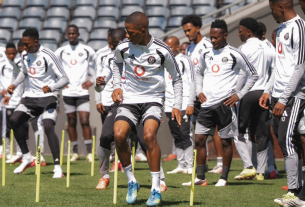
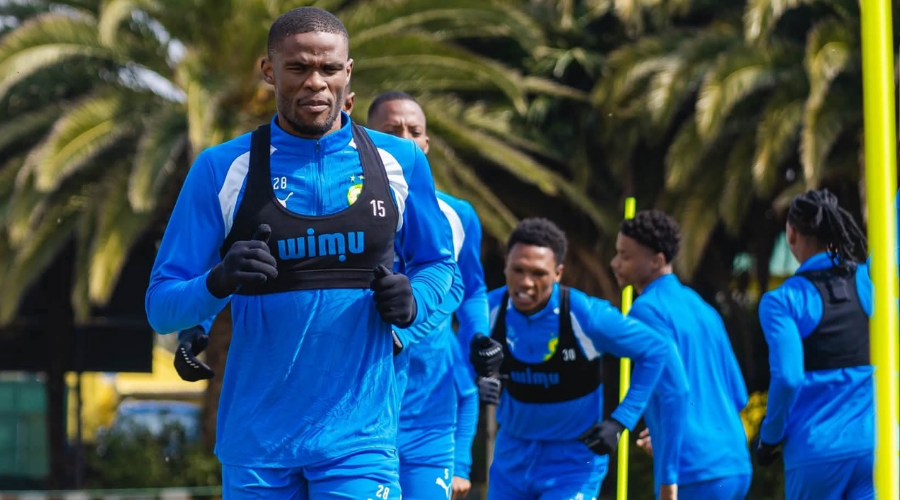
In the demanding landscape of modern African football, few clubs can match the squad depth and quality available at Mamelodi Sundowns. As the 2026/27 Betway Premiership season unfolds alongside domestic cup competitions and the pressure of CAF Champions League football, head coach Miguel Cardoso has embraced a calculated squad rotation strategy designed to maintain freshness, competitiveness, and long-term consistency.
For a club chasing success on multiple fronts, managing player workloads has become just as important as tactical preparation. However, Sundowns’ frequent changes to the starting XI have sparked debate among supporters and analysts: is this a masterstroke in squad management, or does it introduce unnecessary risks?
The Logic Behind the Rotation Strategy
With a congested fixture schedule forcing teams to compete in several high-intensity matches within short periods, Cardoso has placed significant emphasis on protecting his players from fatigue and injuries.
The Sundowns coach has backed his selection decisions, including resting influential figures such as vice-captain Ronwen Williams and attacking star Brayan León during certain cup fixtures. While such choices surprised some supporters, Cardoso’s approach reflects the realities of competing across multiple competitions.
Over the course of a 30-game league campaign, combined with cup and continental commitments, physical demands can quickly take their toll. Regular rotation allows key players to recover properly while giving squad members valuable opportunities to maintain match sharpness.
The Risk of Losing Rhythm and Chemistry
Despite the advantages, rotation is not without its challenges. Football teams thrive on consistency, and constantly changing the line-up can create uncertainty in key moments.
Loss of Match Rhythm:
Sundowns’ style is built around quick combinations, positional awareness, and coordinated movement. Replacing several regular starters at once can affect the team’s fluidity, especially against opponents defending in deep blocks.
Pressure After Setbacks:
When rotated squads fail to produce expected results, criticism arrives quickly. Cup exits or unexpected dropped points often lead to questions over whether too many changes disrupted the team’s momentum.
For a club with Sundowns’ ambitions, every match carries expectations, and even temporary setbacks can create intense scrutiny.
Squad Depth as a Competitive Advantage
Ultimately, Sundowns’ extensive squad-building strategy exists for moments like these. The club has invested heavily in assembling a roster filled with quality options across every position, allowing the coaching staff to manage workloads without significantly reducing the team’s overall strength.
Rotation also creates healthy competition within the squad. Players fighting for starting places remain motivated, while regular starters are given the opportunity to recover ahead of crucial fixtures later in the season.
A Tactical Gamble With a Bigger Picture in Mind
Whether Cardoso’s rotation policy delivers another successful campaign or creates vulnerabilities in decisive matches will remain one of the biggest storylines of the season.
For now, Sundowns appear committed to a long-term approach: keeping their squad fresh, avoiding burnout, and ensuring they remain competitive across every competition. In a season where trophies are decided by consistency over months of football, managing the squad may prove just as important as the tactics on the pitch.